Chemisorbant Media Types
PP Blend
CP Blend
CPS Blend
CPZ Blend
CPS 12 Blend
CPS 12-SP Blend
TriBlend
VOCsorb Blend
PureAir® Chemisorbant Media FAQs
-
-
Yes, PureAir media can be used in other manufacturer systems. Our team can evaluate your existing equipment and target contaminants to determine the most suitable media selection.
-
-
-
If hydrogen sulfide (H₂S) is the primary odor-causing gas, Sulphasorb XL™ is often the best choice. This engineered activated carbon is designed for H₂S removal and can remove up to 66% by weight H₂S. If other gases are present, a blended media such as CPS12 Blend may be a better option, as it is designed to remove a broader range of contaminants commonly found in wastewater applications.
-
-
-
While dry scrubber media life varies heavily on concentrations, airflow, and environmental impacts, chemisorbant media typically last 12-18 months. Regular media testing and Electronic Monitoring can help determine when replacement is needed and ensure optimal system performance.
-
-
-
Carbon can act as a good “catch-all” for low levels of multiple contaminants and general odors. However, its capacity for hydrogen sulfide (H₂S) is relatively limited compared to engineered media like Sulphasorb XL™. For applications with higher H₂S levels or critical odor control needs, a targeted media or blended solution should be considered to ensure effective removal and longer service life.
-
-
-
The right media depends on the contaminants present, their concentrations, and your operating conditions such as airflow, humidity, and temperature. Different media are designed to target specific gases like H₂S, VOCs, or ammonia, and blended solutions are often used for mixed contaminant streams. The best way to ensure proper selection is through a site evaluation or air analysis. PureAir media experts can help determine the most effective solution for your application.
-
-
-
The most effective solution for WWTP odor control is Sulphasorb XL™, an engineered activated carbon designed for high-capacity hydrogen sulfide (H₂S) removal. A potassium permanganate impregnated media can then be used as a polishing layer to capture remaining gases such as VOCs and other reduced sulfur compounds, delivering more complete odor control and improved overall performance.
-
-
-
Spent media can be disposed of as non-hazardous waste. Always check and follow local regulations and disposal requirements to ensure proper handling and disposal.
-
-
-
Please call PureAir at +1 678-935-1431 or +1 866-543-7479 (toll free) to place an order for chemisorbant media shown on this page.
-
-
-
The best way to determine media replacement timing is through LIFEGARD™ media bed monitoring, which provides real-time insight into remaining media life. The next most accurate method is media life analysis through laboratory testing, which evaluates remaining adsorption capacity. In deep bed scrubbers, a media bed indicator (silver rod) can also be used; when the rod is approximately halfway corroded, it indicates it is time to replace the media.
-
Impregnated Activated Alumina Media
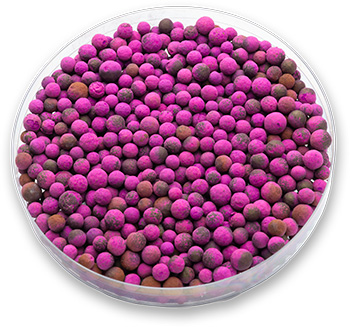
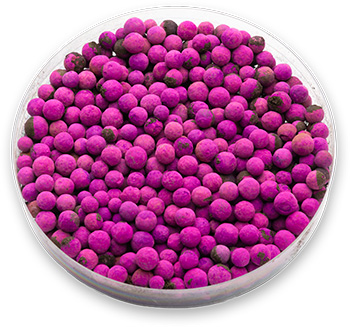
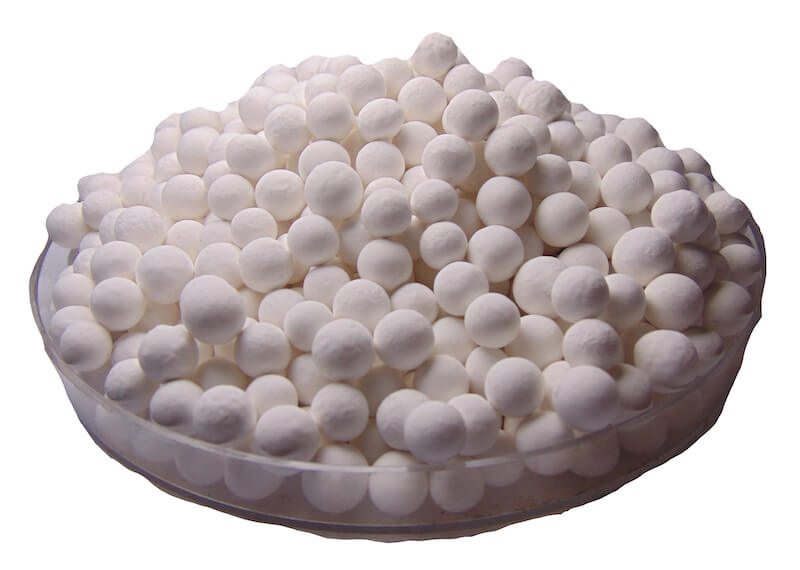
We offer multiple types of activated alumina that are impregnated with potassium permanganate. PureAir® starts with the highest grade activated alumina to ensure that the greatest possible capacity is reached. This alumina is then impregnated with potassium permanganate while being formed into a pellet. Click HERE to request more information on our medias; PureAir 4, PureAir 8, PureAir 12, Alumina, and Siloxsorb.


Impregnated Activated Alumina Media FAQs
-
-
Purple adsorbent media refers to potassium permanganate–impregnated alumina. It gets its distinctive purple color from potassium permanganate, an oxidizing agent that chemically reacts with contaminants. This type of media is highly effective for removing a wide range of gases such as hydrogen sulfide (H₂S), VOCs, and other reduced sulfur compounds, converting them into harmless byproducts.
-
-
-
Yes, once potassium permanganate impregnated alumina media is spent, it can be disposed of as non-hazardous waste. As with all spent filtration media, disposal should follow local, state, and federal regulations to ensure proper handling and compliance.
-
-
-
Yes, carbon is typically cheaper than potassium permanganate–based media, but it does not provide the same high level of contaminant removal. Because of its lower reactivity, carbon can become exhausted more quickly in demanding applications, leading to more frequent changeouts and the potential for odor breakthrough if contaminants exceed its capacity.
-
-
-
SP media (sodium permanganate) is a blend of activated alumina impregnated with sodium permanganate. It provides adsorption, absorption, and oxidation of a wide range of gaseous contaminants, including VOCs, hydrogen sulfide (H₂S), and other reduced sulfur compounds. This multi-mechanism approach makes it highly effective in challenging odor control applications where multiple contaminants are present.
-
Activated Carbon Media
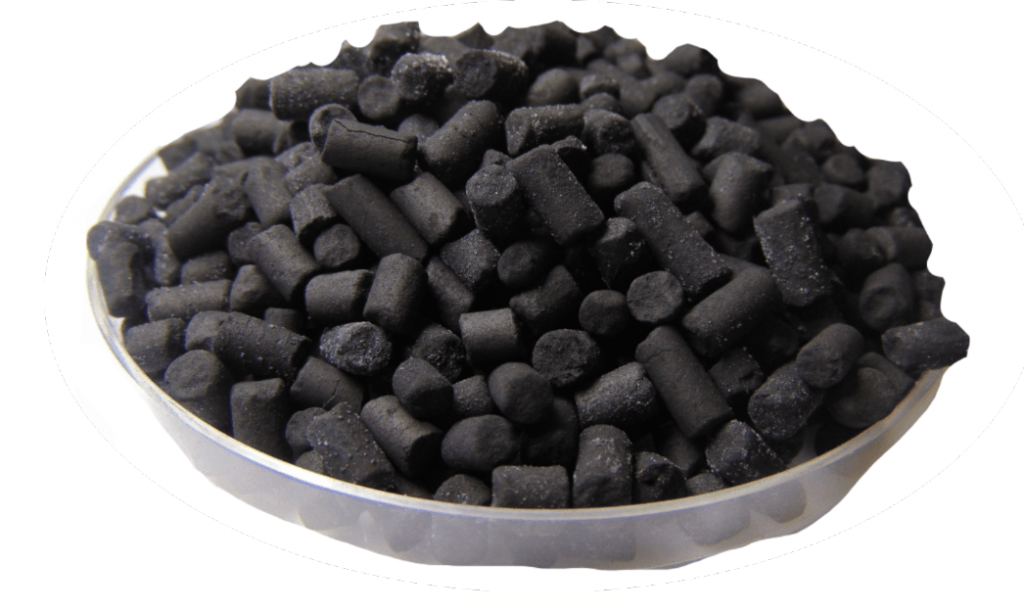
PureAir® offers a variety of activated carbons. This type of media targets various gases and odors. PureAir® starts with the highest grade activated carbon to ensure that the greatest possible adsorption capacity is reached. Click HERE to request more information on which media best fits your needs: AC-C, AC-X, Ammoniasorb®, Sulphasorb XL™, Sulphasorb 2™, and NOXsorb.
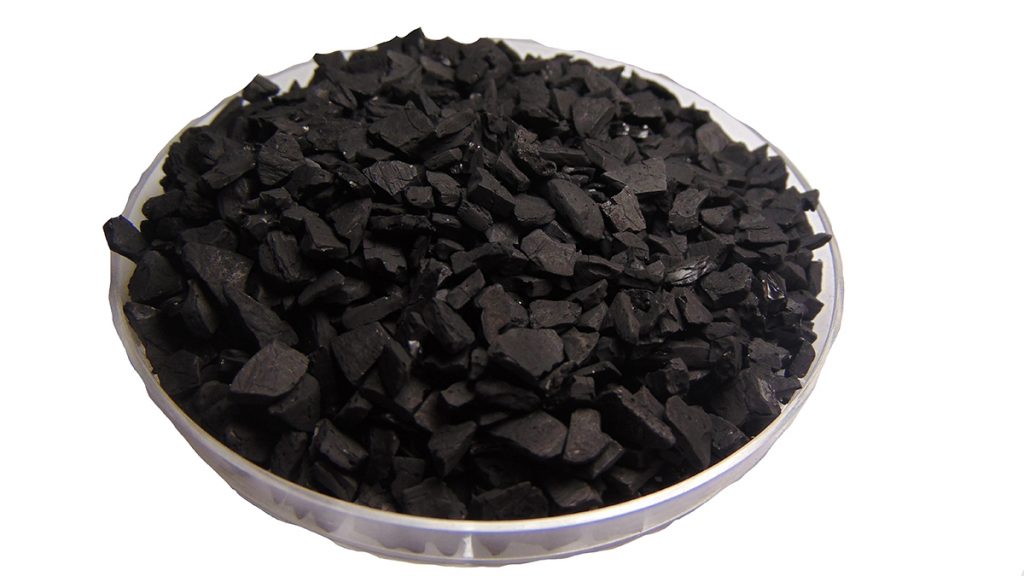
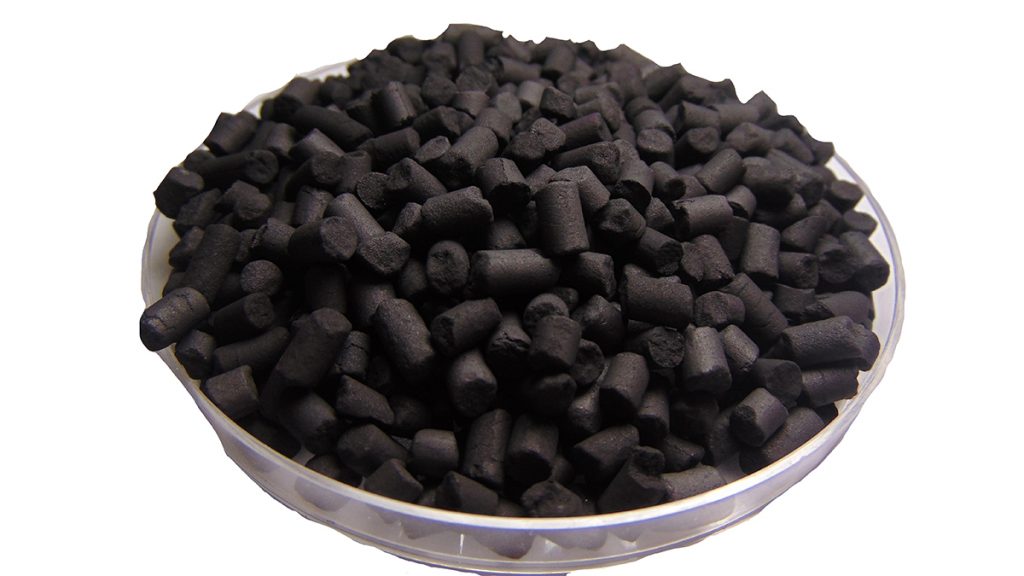
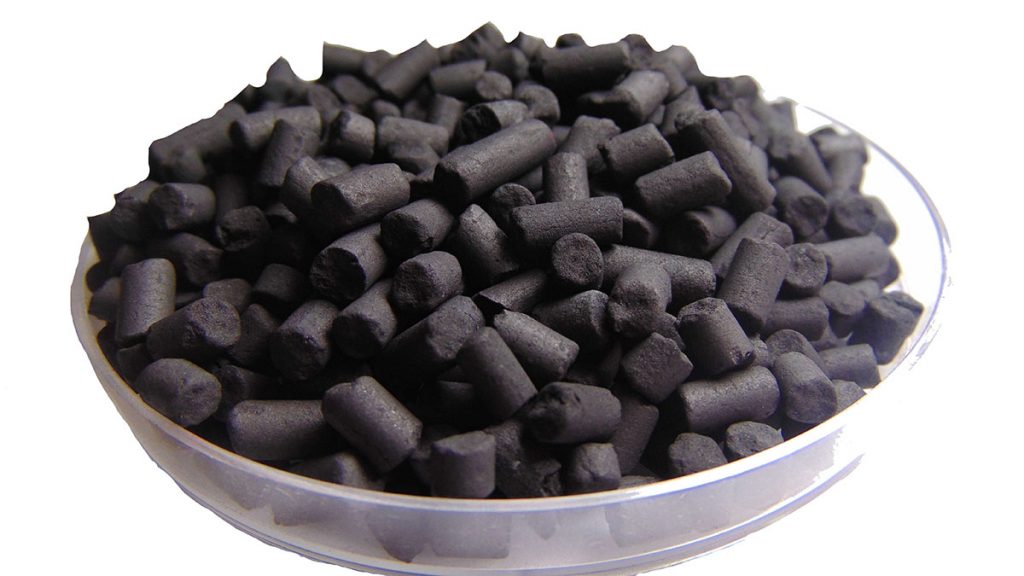
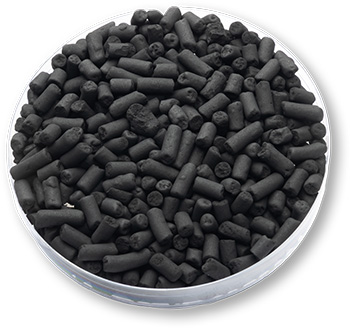
Sulphasorb XL™
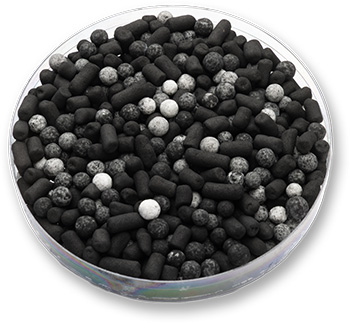
This media has the highest Hydrogen Sulfide (H2S) removal capacity commercially available. H2S is the primary gas in sewage odors and industrial process gases. This high removal capacity (greater than 0.30 g/cc or more than 50 percent by weight) gives PureAir® gas removal systems the ability to provide long lasting, highly efficient odor removal. This media provides customers with a low cost solution with the highest effectiveness.
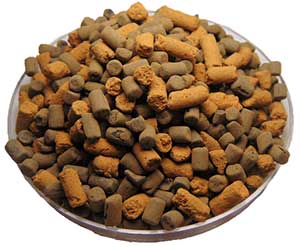
Sulphasorb FeXL™
This media is a 50/50 percent blend of Sulphasorb XL™ media and Sulphasorb Fe™ media. The ability to remove 45% of its weight in H2S places it high above activated carbon. Made from a high iron content compound, Sulphasorb FeXL™ media is an all-around better choice than activated carbon for use in odor control scrubbers where H2S levels exceed 50 ppm.
Activated Carbon Media FAQs
-
-
For hydrogen sulfide (H₂S) removal, Sulphasorb XL™ is a top choice due to its high-capacity engineered activated carbon design. For mixed gas streams, it is often paired with a blended media to address VOCs and other contaminants.
-
-
-
No, not all activated carbon performs the same. Different carbons vary in pore structure, surface area, and removal capacities.
-
-
-
Yes, carbon shape and pore structure affect filtration performance as different pore structures are better suited for adsorbing different contaminants.
-
-
-
Activated carbon is specially processed to create millions of tiny pores, dramatically increasing its surface area and making it highly effective at adsorbing gases, odors, and other contaminants. Plain carbon does not have this porous structure and has little to no filtration capability.
-
-
-
Yes, activated carbon can be effective for removing low concentrations of hydrogen sulfide (H₂S). However, as H₂S concentrations increase, engineered media such as Sulphasorb XL™ provide significantly higher removal capacity and longer media life.
-
-
-
The best way to determine when carbon is spent is through LIFEGARD™ media bed monitoring, which provides real-time insight into remaining media life. Laboratory media life analysis is another reliable method for evaluating remaining adsorption capacity.
-
-
-
Yes, high concentrations of H₂S can generate heat as the gas reacts with activated carbon, increasing the risk of hot spots or spontaneous combustion under certain operating conditions.
-
-
-
No. Carbon used for water filtration and gas-phase air filtration is designed differently. Air filtration carbons are engineered with pore structures and properties optimized for adsorbing gases and vapors, while water filtration carbons are designed to remove contaminants from liquids.
-
Blended Media
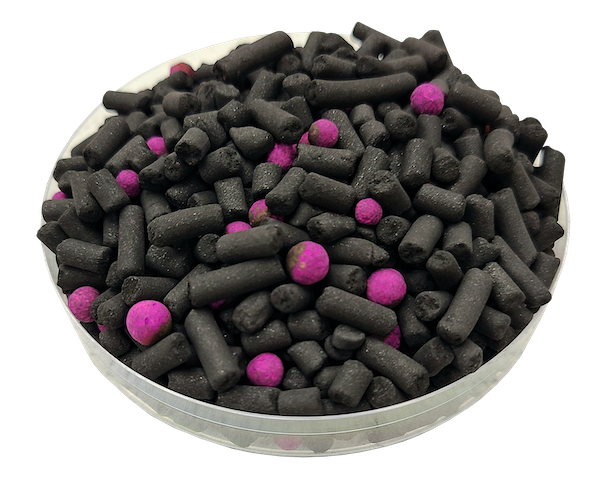
PureAir® offers unique blends of media to target a broad range of odors and gases. Each blend has different capacity removals. Click HERE for more information on which media best fits your needs: PP Blend, CP Blend, CPS Blend, CPZ Blend, CPS 12 Blend, TriBlend, and VOCsorb.
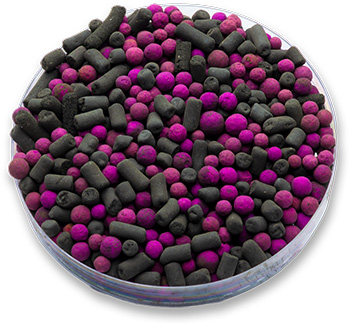

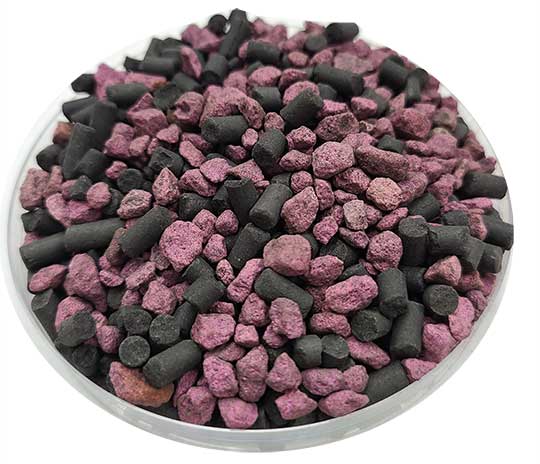
CPZ Blend
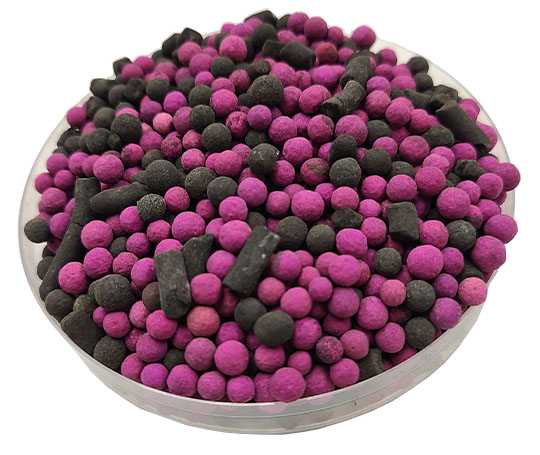
CPZ Blend adsorbent media is a 50/50 percent blend of PureAir 6Z zeolite impregnated with potassium permanganate media and PureAir AC virgin bituminous activated carbon designed for the broadest range removal of corrosive, odorous, or toxic gases. CPZ Blend meets the requirements for UL certification.
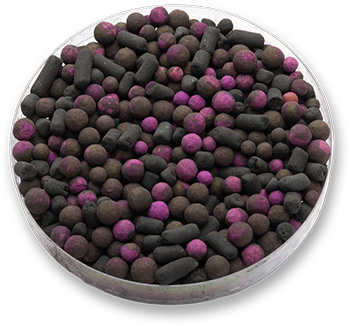
CPS 12 Blend
This adsorbent media is a 50 percent/50 percent blend of PureAir 12 potassium permanganate-based media and PureAir AC-X virgin bituminous activated carbon designed for the broadest range removal of corrosive, odorous, or toxic gases. CPS 12 Blend meets the requirements for UL certification.

CPS 12-SP Blend
CPS 12-SP Blend adsorbent media is a 50/50 percent blend of PureAir 12 sodium permanganate-based media and PureAir AC-X virgin bituminous activated carbon designed for the broadest range of removal for corrosive, odorous, or toxic gases. CPS 12-SP Blend media meets the requirements for UL certification
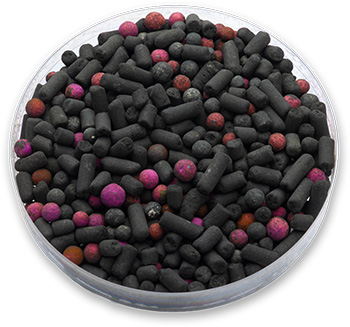
TriBlend
This adsorbent media is a 50/25/25 percent blend of PureAir 8 potassium permanganate-based media, Sulphasorb 2™ acid gas removal media, and PureAir AC-X extruded activated carbon media designed for the broadest range removal of corrosive, odorous, or toxic gases. TriBlend meets the requirements for UL certification.
Blended Media FAQs
-
-
Blended adsorbent media combines two or more media types into a single formulation to remove a broader range of gaseous contaminants. By leveraging the strengths of different media, blended formulations can improve removal efficiency, extend media life, and provide more comprehensive odor and corrosion control than a single media alone.
-
-
-
You should use blended media if your application contains multiple gaseous contaminants, such as H₂S, VOCs, or other reduced sulfur compounds. Blended media are designed to remove a broader range of gases than a single media alone, often improving overall performance and media life.
-
-
-
Blended media performs well when gas conditions change because it removes multiple contaminants simultaneously, making it suitable for fluctuating gas streams. However, if gas composition changes significantly, a different media solution may be required to maintain performance. In those cases, consult your filtration supplier or PureAir gas experts for proper media selection.
-
-
-
Activated carbon and permanganate media are often blended to provide broader contaminant removal and more effective gas phase filtration. Combining the two creates a more versatile media bed for air streams containing multiple contaminants and can often result in longer media life.
-
-
-
Blending media does not necessarily increase pressure drop. Pressure drop is influenced by the specific media characteristics, particle size, bed depth, airflow rate, and system design. The impact of blending should be evaluated based on the specific media combination and application.
-
-
-
The right blended media depends on what gases you need to remove and the conditions of your air stream. Factors such as contaminant concentrations, airflow, humidity, temperature, and desired media life help determine the best media combination for the application.
-
-
-
A blended media is performing well when the targeted odors and gases are being effectively removed and the media is lasting as expected. If odors return sooner than expected or media life is shorter than anticipated, it may be a sign that the media or environment’s gas profile need to be re-evaluated.
-
Chlorine Adsorbent Media
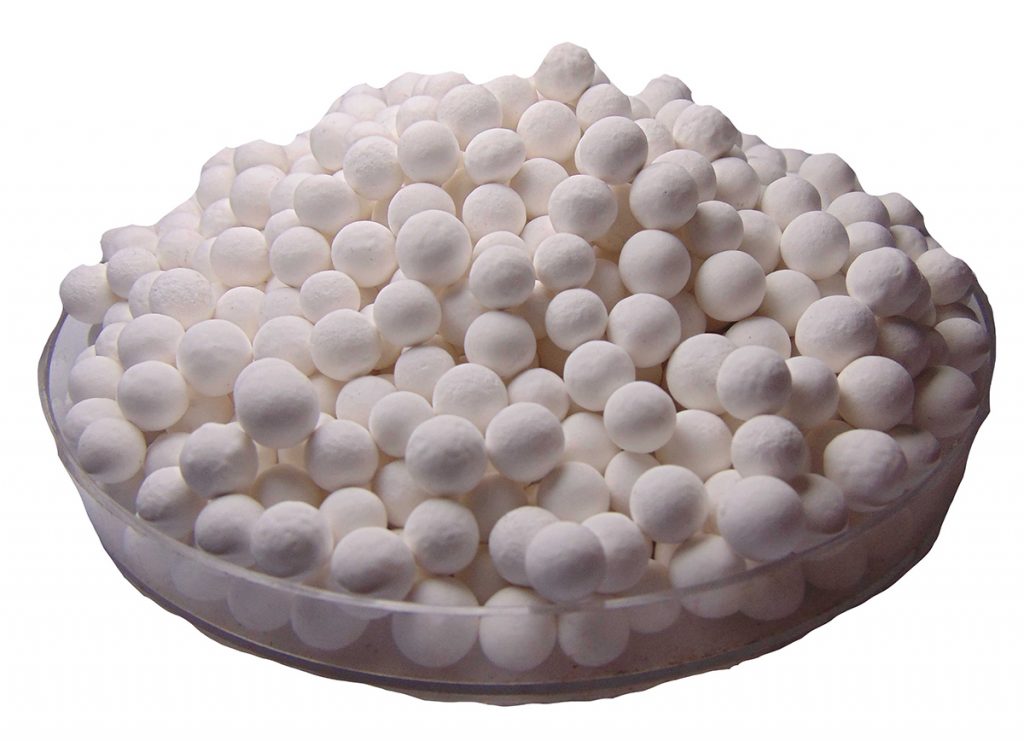
PureAir® offers Safetysorb as the best chlorine adsorbent media. This non-flammable media remains available for adsorption until the event of an emergency release. Safetysorb will react with the chlorine to produce a harmless byproduct that can be disposed of as a non-hazardous waste. Click HERE to receive more information regarding Safetysorb media.
Chlorine Adsorbent Media FAQs
-
-
Yes, activated carbon can remove chlorine gas, but using carbon for chlorine applications can present a serious safety concern. Chlorine is a strong oxidizer and can react with carbon, creating conditions that may lead to heat buildup and, in certain circumstances, fire. For chlorine gas removal, specialized media such as Safetysorb can eliminate the need to rely on activated carbon.
-
-
-
Yes. Safetysorb is specifically designed for emergency chlorine releases, including releases from large chlorine cylinders. When properly sized and installed in an Emergency Gas Scrubber, Safetysorb can neutralize chlorine during an emergency release.
-
-
-
No. Spent Safetysorb is considered a non-hazardous solid waste. When Safetysorb reacts with chlorine, it produces a harmless byproduct that can be disposed of as non-hazardous solid waste.
-
-
-
Safetysorb is non-hazardous and non-flammable, but standard PPE should be used when handling the media. Gloves and eye protection are recommended, along with appropriate ventilation to minimize exposure to dust.
-
-
-
Safetysorb is fast acting and begins reacting with chlorine as soon as the gas passes through the media. It is designed for emergency chlorine releases, allowing the Emergency Gas Scrubber (EGS) to rapidly capture and neutralize chlorine before it can spread through the facility.
-
-
-
Safetysorb is specifically designed for chlorine gas removal and emergency releases. Unlike carbon-based media, Safetysorb is non-flammable and designed to avoid the fire risk associated with using activated carbon for chlorine gas applications. It reacts with chlorine to form a harmless byproduct that can be disposed of as non-hazardous solid waste.
-
-
-
Safetysorb is a specialized chlorine removal media designed for emergency release applications. Its alumina-based formulation provides chlorine removal capacity while remaining nonflammable, with a UL Class 1 fire safety rating. The higher cost reflects the specialized formulation, chlorine capacity, and added safety it provides.
-
Clay and Mineral Base Media
PureAir® offers Zeolite, which is created using the earth mineral with the highest possible adsorption capacity. Click HERE for more information about which media best fits your needs: PureAir Z, PureAir 6Z and Sulphasorb Fe™.
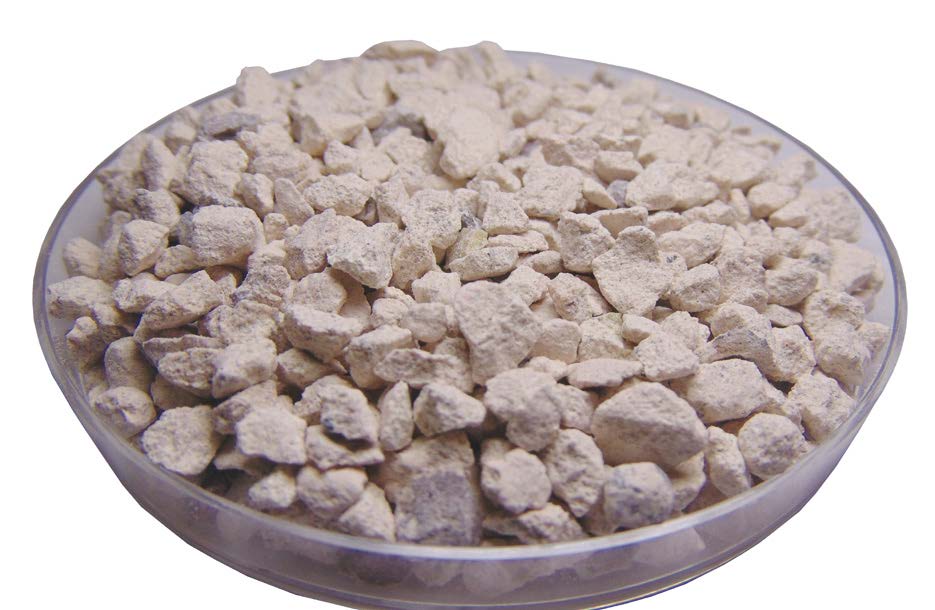


Sulphasorb Fe™
Adsorbs 25% of its weight in Hydrogen Sulfide (H2S), this media is far more effective than its activated carbon competitors. Made from high iron content compound, Sulphasorb™ Fe media is an all-around better choice than activated carbon for use in odor control scrubbers where H2S levels exceed 50 ppm.
Clay and Mineral Base Media FAQs
-
-
Mineral media can be a more economical option when lower concentrations of targeted contaminants are present. PureAir’s Mineral media, such as zeolite-based PureAir Z and PureAir 6Z, uses a combination of adsorption, absorption, and oxidation to remove gases. PureAir® Z is designed specifically for ammonia removal, while PureAir® 6Z uses potassium permanganate treated zeolite to target a broader range of gases that cause odor and corrosion.
-
-
-
Zeolite is a porous mineral media with a high adsorption capacity that is used to remove targeted gases from air. PureAir® Z is designed to remove ammonia, while PureAir® 6Z is impregnated with potassium permanganate to target a broader range of gases that can cause odor and corrosion.
-
-
-
Yes. Moisture can affect the performance and capacity of mineral media, depending on the specific media and contaminant being removed.
-
-
-
Sulphasorb Fe is a strong alternative to activated carbon for odor control applications with higher concentrations of hydrogen sulfide (H₂S), particularly when levels exceed 50 ppm. Its high iron content provides a high capacity for H₂S removal, making it well suited for applications where standard activated carbon may not provide the desired performance or media life.
-
-
-
Potassium permanganate is added to zeolite to expand its gas removal capabilities. The zeolite provides high adsorption capacity, while potassium permanganate helps oxidize contaminants such as hydrogen sulfide and other gases that cause odor and corrosion. This combination allows PureAir® 6Z to target a broader range of contaminants than untreated zeolite alone.
-
Chemisorbant Media Comparison Chart
| Gases PureAir® Media Targets (cannot guarantee gases competitors target) | |
|---|---|
| Impregnated Activated Alumina Media | |
| PureAir 4, 8, 12, 12-SP | H2S, SO2, NO2, NO, HCHO, mercaptan, dimethyl sulfide, phosphine, ethylene, alcohol |
| Activated Carbon Media | |
| AC-C/AC-X | NO2, CI2, C2H4CL2 (dichloroethane), Common VOCs including toluene, alcohol, acetone, ozone |
| Ammoniasorb® | NH3 |
| NOXsorb | NOx |
| Sulphasorb 2™ | Acid Gases such as H2S, SO2, CI2 |
| Sulphasorb FeXL™ | H2S, Mercaptan |
| Sulphasorb XL™ | H2S, Mercaptan |
| Blended Media | |
| CP, CP12, CPS 12 Blend, CPS 12-SP Blend | H2S, SO2, NO, HCHO, NO2, ethylene, mercaptan, dimethyl sulfide, phosphine; Common VOCs including toluene, alcohol, acetone, ozone |
| PP Blend | H2S, SO2, NO, NO2, HCHO, CI2, mercaptan, dimethyl sulfide, phosphine, ethylene, alcohol |
| TriBlend | SO2, NO2, NO, HCHO, O3 |
| VOCsorb Blend | VOCs, H2S, SO2, NO2, CH2O |
| Chlorine Adsorbent Media | |
| Safetysorb | CI, F |
| Clay and Mineral Base Media | |
| PureAir Z, 6Z | H2S, SO2, NO, NO2, HCHO |
| Sulphasorb Fe™ | H2S |