WWTP Odor Guide: What to Use Based on What You’re Dealing With

Key Takeaways
- Wastewater treatment plants typically deal with H₂S, ammonia, VOCs, and mercaptans
- You don’t need perfect gas analysis; recognizing patterns is enough to choose the right solution
- Different odor scenarios require different chemisorbant media strategies
- Common issues include steady H₂S, high loading, mixed gases, and humidity challenges
- Choosing the right media improves performance, lifespan, and cost efficiency
- A simple diagnostic approach can help you solve odor problems faster
Understanding WWTP Odor Challenges
Odor control in wastewater treatment plants is rarely caused by a single gas. Most facilities are dealing with a combination of:
- Hydrogen sulfide (H₂S)
- Ammonia
- Volatile organic compounds (VOCs)
- Mercaptans
The challenge is that these gases don’t always show up consistently, and you don’t always need a full chemical breakdown to solve the problem.
In many cases, identifying what your system is experiencing operationally is enough to determine the right media solution.
A Simple Way to Identify Your Situation
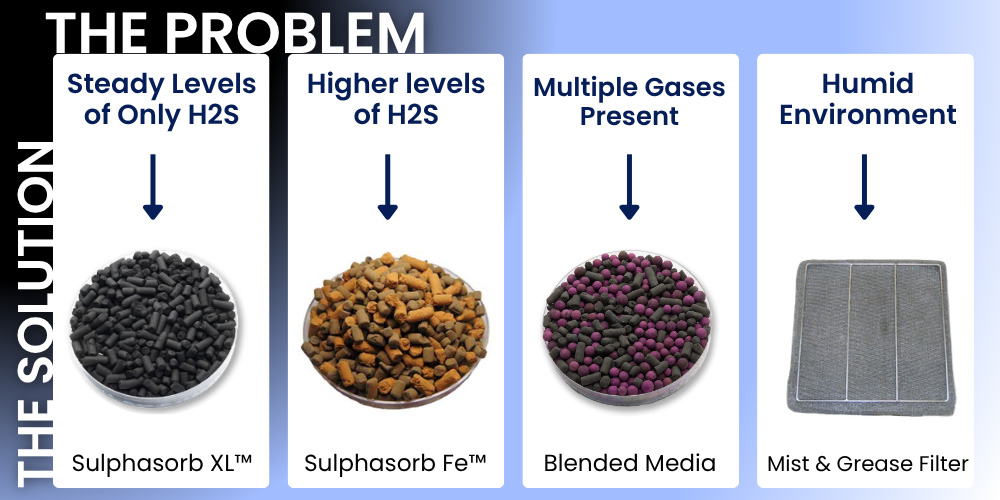
Think of this as a practical “cheat sheet” approach:
- Are odors steady and predictable?
- Is media being consumed faster than expected?
- Is odor improved, but not fully eliminated?
- Is humidity affecting performance?
Each of these scenarios points to a different root cause and a different solution.
Scenario 1: Odor Is Steady and Predictable
What’s Happening
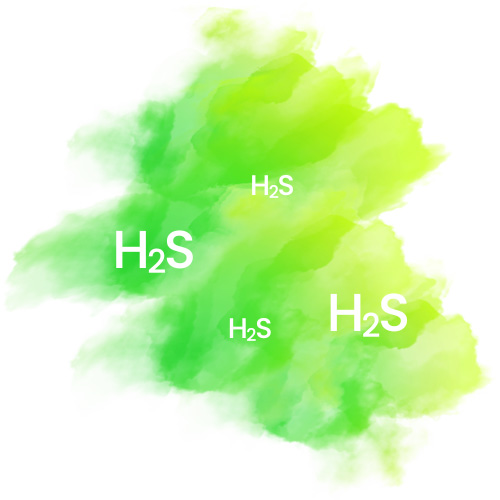
This is typical municipal wastewater odor, primarily driven by consistent levels of H₂S.
What to Use
Why it Works
Moderate contaminant levels don’t require overly complex solutions. An engineered carbon like Sulphasorb XL provides:
- Higher H₂S removal than traditional carbon
- Reliable performance for steady-state conditions
- A cost-effective approach for predictable odor loads
Scenario 2: Media Works…But Dies Faster Than Expected
What’s Happening
Contaminant levels are higher than expected, and your current media is being consumed too quickly.
What to Use
A higher-capacity media, such as Sulphasorb FeXL (especially if currently using standard carbon)
Why it Works
When gas loading exceeds media capacity:
- Media life shortens dramatically
- Changeout frequency increases
- Operating costs rise
Switching to a higher-capacity media:
- Extends service life
- Improves performance stability
- Reduces maintenance intervals
Unsure whether your current media is the right fit? Share your setup and we can help identify a better solution. Our team is here to assist.

Scenario 3: Odor Is Better… But Not Gone
What’s Happening
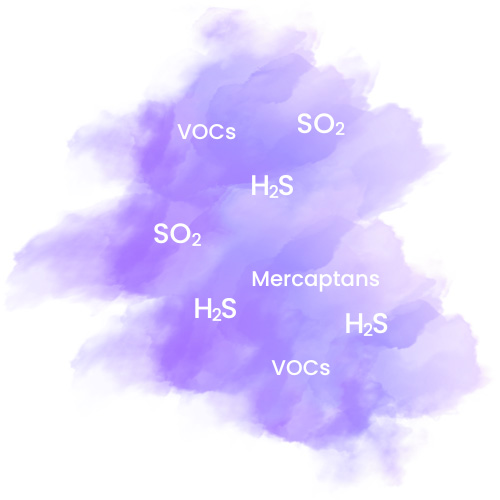
Your system is removing most of the H₂S, but other gases are slipping through.
What to Use
Add polishing media, such as CPS 12 Blend or other potassium permanganate-impregnated media
Why it Works
Standard H₂S-focused media does not remove all gas types. Residual odor is often caused by:
- VOCs
- Mercaptans
- Other trace contaminants
Polishing media in the final stage:
- Captures remaining gases
- Eliminates lingering odors
- Helps reduce complaints and compliance risk
Scenario 4: System Struggles in Humid Conditions
What’s Happening
Moisture is interfering with filtration performance.
What to Use
Ensure your system includes a mist & grease filter and that it is properly maintained.
Why it Works
Excess moisture:
- Blocks active media sites
- Reduces adsorption efficiency
- Causes premature media failure
Removing liquid particles before the media bed:
- Protects media performance
- Extends media life
- Improves overall system reliability
A simple system check can often reveal whether moisture is the root cause. PureAir Filtration is ready to help with expert maintenance options.

The Simple Truth About WWTP Odor Problems
Most odor control issues come down to one of three things:
- The media is not designed for the gases present
- Moisture levels are higher than expected
- Contaminant loading exceeds media capacity
When one of these factors is off, even a well-designed system can underperform.
Bringing It All Together: Matching Media to Your Conditions
The key to effective odor control isn’t guessing, it’s matching your media to real operating conditions.
By identifying your scenario, you can:
- Improve odor removal performance
- Extend media life
- Reduce maintenance frequency
- Avoid unexpected odor events
Ready to Find the Right Solution for Your Facility?
If your system isn’t performing the way it should, there’s usually a clear reason – and a clear fix.
PureAir Filtration works with facilities to:
- Evaluate current media performance
- Recommend optimized media solutions
- Improve reliability and reduce lifecycle costs
Reach out to the PureAir team to discuss your system and find the best-fit solution for your application.