
Why MEMS Sensors Matter in Air Filtration
You may not realize it, but Micro-Electro-Mechanical Systems (MEMS) are likely part of your daily life. From the accelerometer in your phone to the pressure sensor in your car’s airbag, these tiny devices pack serious performance into incredibly small spaces.
At PureAir Filtration, we’ve embraced MEMS sensor technology within our LIFEGARD® system — and for good reason. Let’s look at what MEMS sensors are, how they work, and why they’re critical in monitoring air filtration media.
What Is a MEMS Sensor?
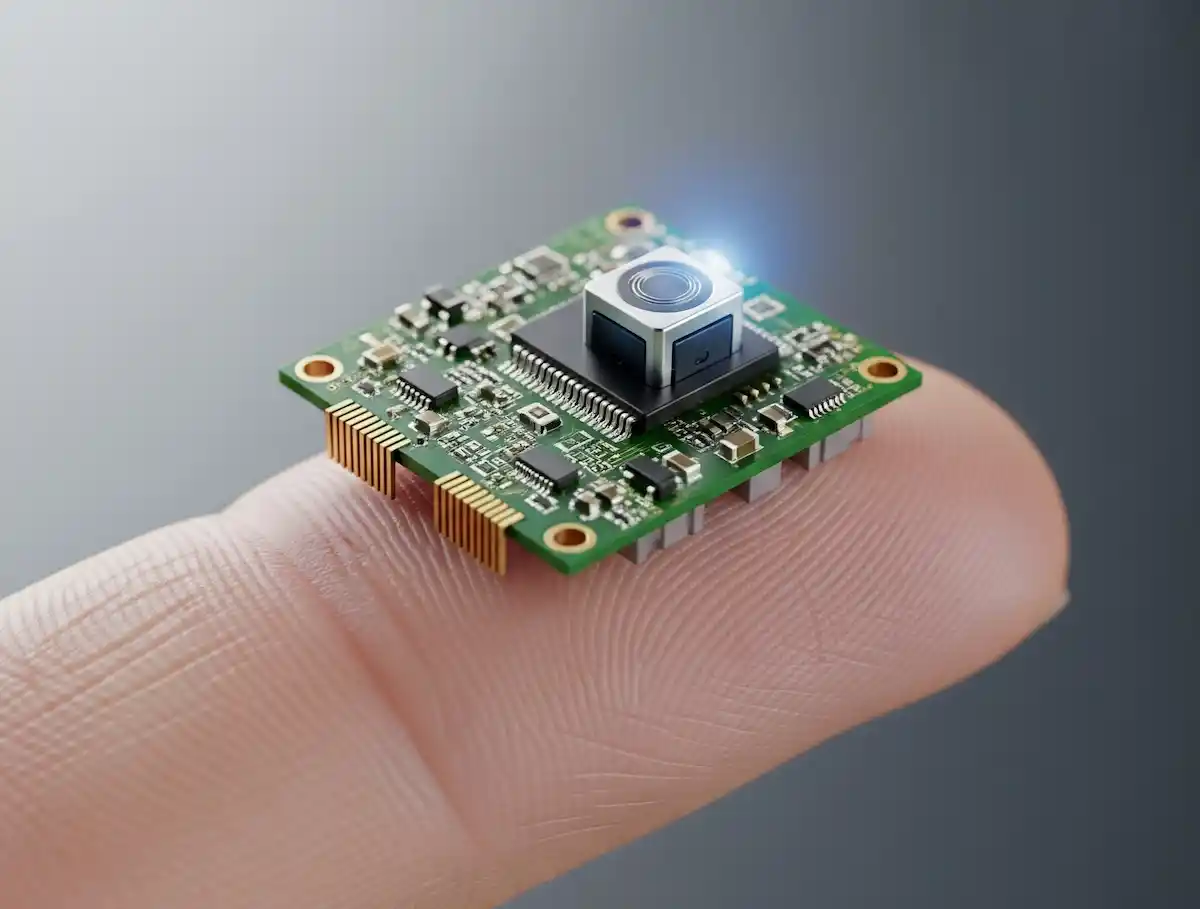 MEMS stands for Micro-Electro-Mechanical Systems. These sensors integrate mechanical elements like cantilevers or membranes with microelectronics, often on a chip smaller than a grain of rice. Despite their size, MEMS sensors are powerful enough to measure a wide range of physical properties such as pressure, magnetic fields, temperature, and gas concentrations.
They’re designed for durability in demanding environments, making them ideal for industrial and filtration applications.
How MEMS Sensors Work in Gas Detection
MEMS sensors consist of both mechanical and electronic components. The mechanical side detects changes in the environment, and the electronic side processes and reports that data.
For gas detection, MEMS typically use a metal oxide semiconductor layer. When specific gases interact with this layer, it alters electrical characteristics — such as voltage or resistance — which allows the sensor to detect and measure gas concentrations accurately. For example, LIFEGARD® sensors can detect hydrogen sulfide (H₂S) with a precision at the ppm level.
Key advantages of MEMS sensors include:
- Small size
- Low power usage
- Rapid response
- Reliable digital and analog outputs
Gases Detected by MEMS in the LIFEGARD® System
LIFEGARD® uses MEMS sensors to detect gases that commonly indicate media depletion in air filtration systems:
- Hydrogen Sulfide (H2S) – Common in wastewater and industrial processes.
- Volatile Organic Compounds (VOCs) – Found in many chemical manufacturing or storage facilities.
- Ammonia (NH3) – A frequent byproduct in agriculture and refrigeration.
These gases consistently interact with the MEMS detection surface, producing repeatable and reliable signals that help track system performance and media life. While MEMS is the primary technology in LIFEGARD®, other sensors may be used depending on the gas being monitored, such as Chlorine (Cl).
Why MEMS Technology Is Central to LIFEGARD® Performance

MEMS sensors are a core component of LIFEGARD® monitoring due to their precision and dependability. As air passes through the filtration media, the MEMS sensor detects increases in gas concentrations that indicate breakthrough—when the media is no longer fully absorbing contaminants.
The sensor sends real-time digital readings to the LIFEGARD® control panel and online portal, allowing users to monitor filter status from anywhere. This predictive capability helps ensure timely maintenance, avoid system failure, and extend equipment life.
Reliable Air Filtration Monitoring, Made Simple
MEMS sensors have revolutionized many industries, and their application in air filtration is no exception. In PureAir’s LIFEGARD® system, these sensors provide the actionable data facilities need to stay ahead of corrosion, safety risks, and compliance issues.
Interested in Bringing LIFEGARD® Products to Your Facility?
Learn how MEMS-powered monitoring can improve your air filtration reliability and reduce maintenance surprises. Contact us today to get started with a LIFEGARD® system tailored to your needs.
Copyright 2026 by PureAir® Filtration; All Rights Reserved. LIFEGARD® is a trademark owned by PureAir® Filtration. The LIFEGARD® media bed monitor is protected by US Patent 12,312,548 issued to PureAir® Filtration May 27, 2025 by US Patent Office.