
Biogas
Biogas Polishing
Unlock the Full Potential of Biogas Energy
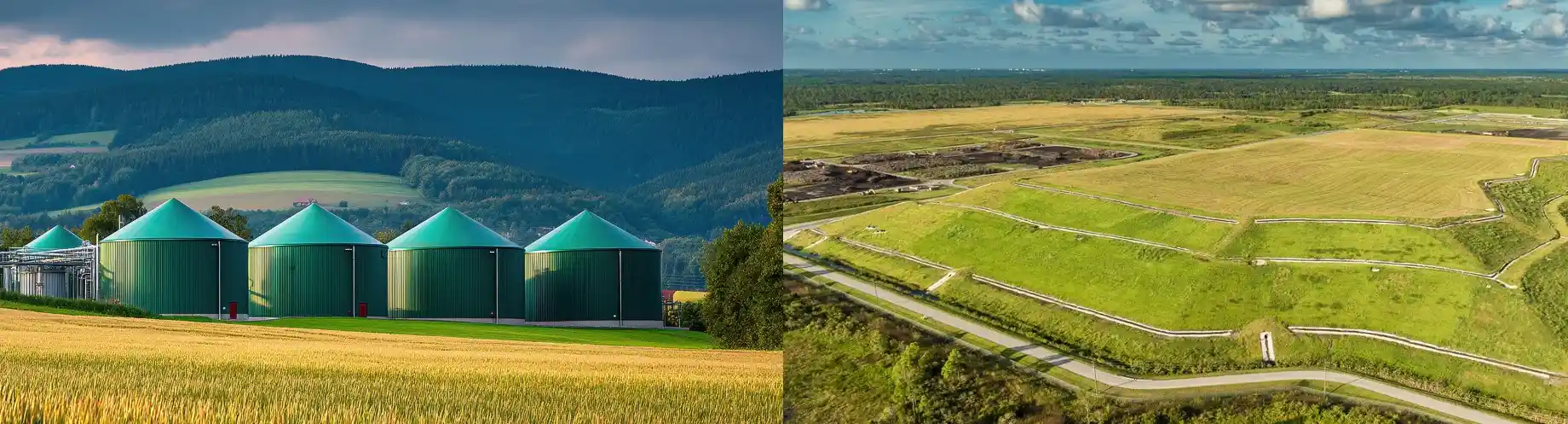
Biogas, a methane-rich energy source, is produced from the methanization of organic materials such as agricultural residues, wastewater sludge, and landfill waste. When these gases are purified by removing contaminants, they become clean, reliable methane effective for heat, electrification, and CNG. As utilities and other natural gas suppliers seek sustainable energy solutions, biogas plays a critical role in reducing emissions and transforming waste streams into dependable sources of power.
Advanced Purification for Maximum Performance
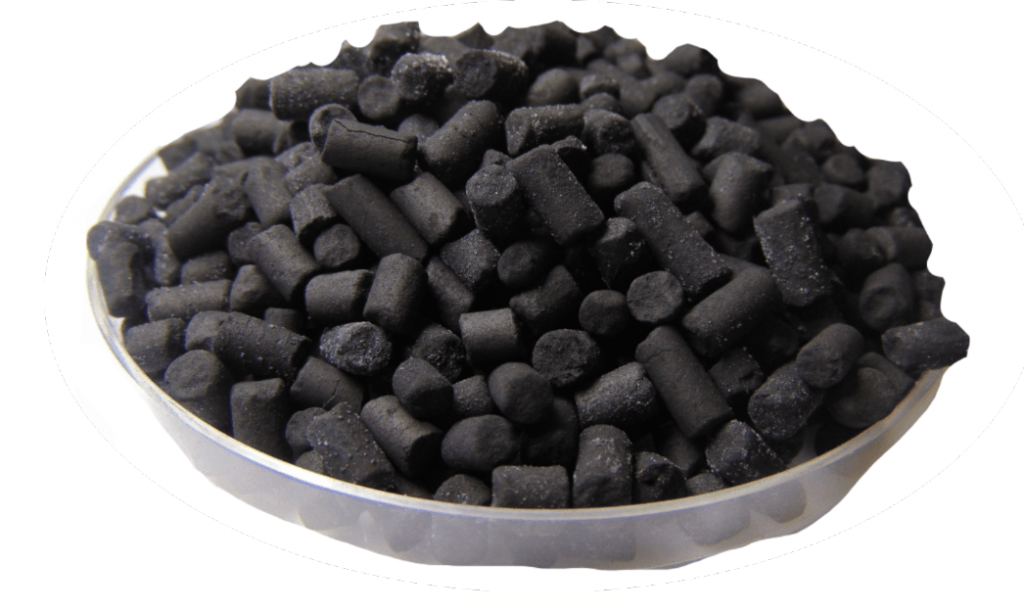
Our industry-leading portfolio of advanced chemisorbant media is engineered to deliver exceptional contaminant removal performance. The media can effectively eliminate H2S and other sulfurs, siloxanes, VOCs, and trace impurities – unlocking the full value of biogas.
Proven Solutions Across Diverse Applications
Designed to perform across diverse applications such as agricultural digesters, landfills, wastewater treatment facilities, pulp and paper mills, and food waste operations. Whether you are optimizing an existing system, or designing a new renewable energy project, our solutions are designed to enhance system reliability, increase safety, and maximize renewable energy output.
Drive Renewable Energy Forward
By combining advanced contaminant removal with application-specific expertise, we help operators maximize output, meet regulatory requirements, and achieve long-term sustainability goals. Partner with PureAir to turn biogas into a cleaner, more efficient, and more profitable energy resource.

Sulphasorb Fe™
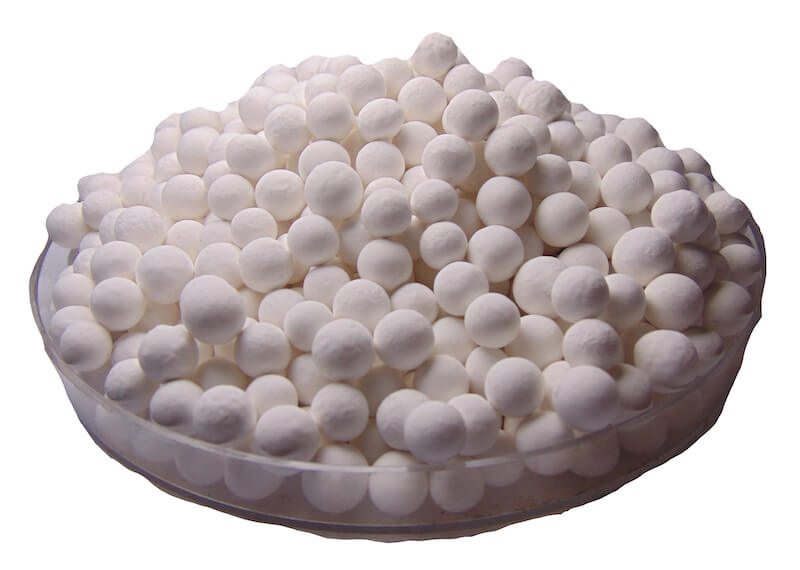
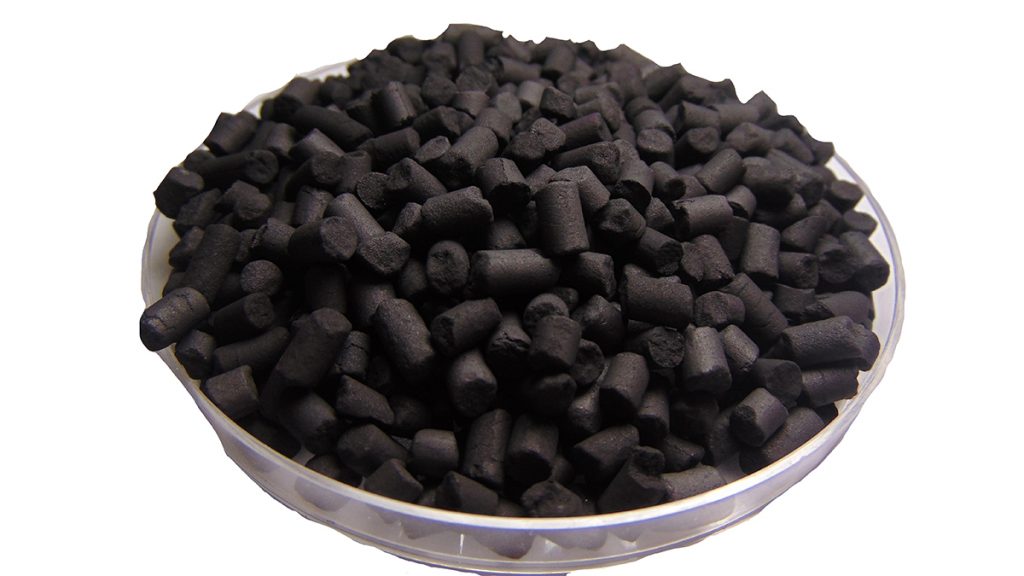
Adsorbs 25% of its weight in Hydrogen Sulfide (H2S), this media is far more effective than its activated carbon competitors. Made from high iron content compound, Sulphasorb™ Fe media is an all-around better choice than activated carbon for use in odor control scrubbers where H2S levels exceed 50 ppm.
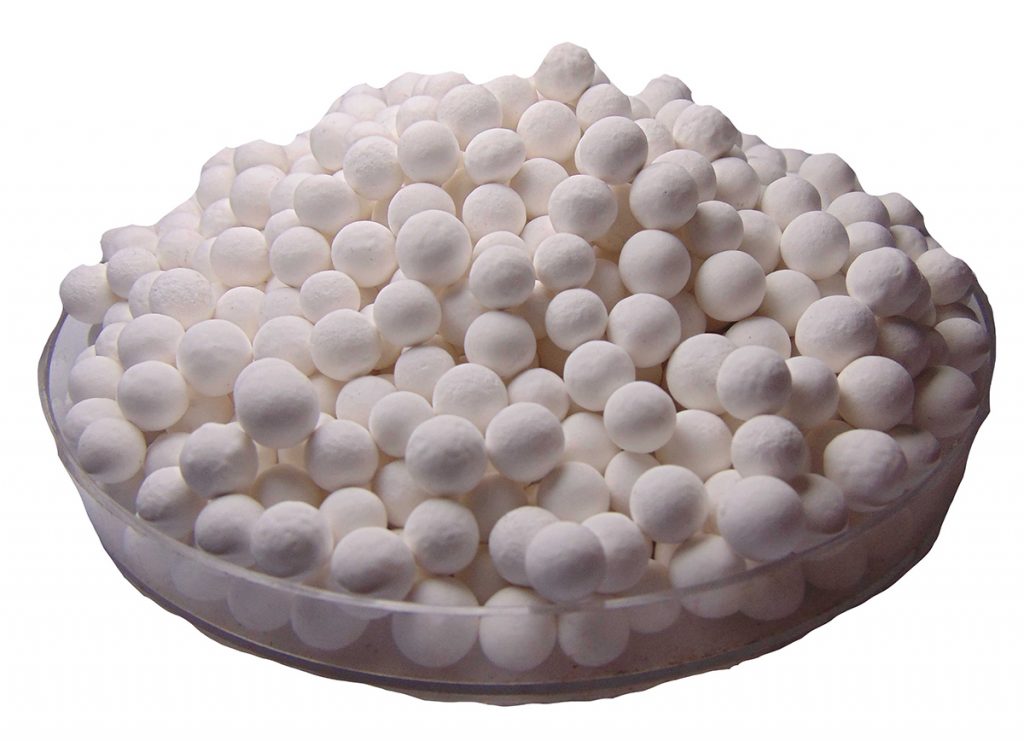
Sulphasorb XL™
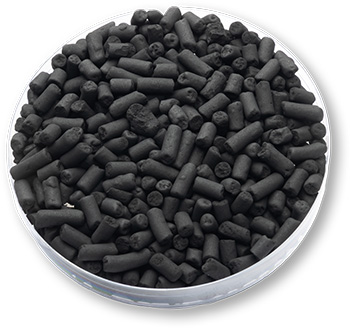
This media has the highest Hydrogen Sulfide (H2S) removal capacity commercially available. H2S is the primary gas in sewage odors and industrial process gases. This high removal capacity (greater than 0.30 g/cc or more than 50 percent by weight) gives PureAir® gas removal systems the ability to provide long lasting, highly efficient odor removal. This media provides customers with a low cost solution with the highest effectiveness.
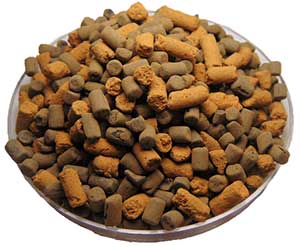
Sulphasorb FeXL™
This media is a 50/50 percent blend of Sulphasorb XL™ media and Sulphasorb Fe™ media. The ability to remove 45% of its weight in H2S places it high above activated carbon. Made from a high iron content compound, Sulphasorb FeXL™ media is an all-around better choice than activated carbon for use in odor control scrubbers where H2S levels exceed 50 ppm.
Testing and Replacing Chemisorbant Media
Keeping units serviced with high-performance chemisorbant media is a very important part of system maintenance. If the media is not changed out when it is due for replacement, the unit will not function properly and unwanted gases will be released into the environment. The life span of media will vary depending on many factors, such as type and quantity of gas, airflow, etc., but generally lasts from 1 to 3 years depending on media quantity and chemical load. There are multiple ways to test and see if the media is reaching its expiration date:
Download LIFEGARD™ Brochure
Copyright ©2025 by PureAir® Filtration; All Rights Reserved. LIFEGARD™ is a trademark owned by PureAir® Filtration. The LIFEGARD™ media bed monitor is protected by US Patent 12,312,548 issued to PureAir® Filtration May 27, 2025 by US Patent Office


Biogas Purification Case Study
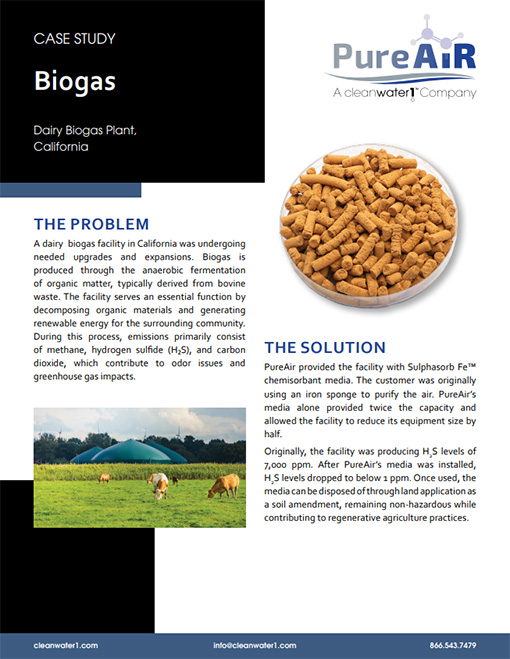
FACILITY TYPE: Dairy Biogas Plant
LOCATION: Central California
MEDIA USED: Sulphasorb Fe™ chemisorbant media
PROBLEM: The plant needed an odor control solution to combat the unpleasant odors and greenhouse gases created during the biogas process.
SOLUTION: Our media alone provided twice the odor removal capacity and allowed the facility to reduce its equipment size by half. Originally, the facility was producing H2S levels of 7,000 ppm. After our media was installed, H2S levels dropped to below 1 ppm.